Demystifying Solar: How Panels Work and What They Can Do For You
☀️ Unveiling Solar Power: How Panels Work and Their Benefits 💡
For decades, the sun has been a beacon of immense power, a clean and virtually limitless source of energy. Humanity's quest to harness this celestial giant has led to remarkable innovations, particularly in the field of solar energy. Understanding how solar panels function is crucial for appreciating their potential to revolutionize our energy landscape.
At its core, solar technology relies on the photovoltaic effect, a phenomenon discovered over a century ago. This scientific principle describes how certain materials can generate an electric current when exposed to light. Modern solar panels are sophisticated devices engineered to capture sunlight and convert it directly into usable electricity, powering homes and businesses globally.
The journey of solar panels from niche technology to a mainstream energy solution has been driven by relentless research and development. Early prototypes were inefficient and costly, but advancements in material science and manufacturing processes have dramatically improved their performance and accessibility. Today, solar energy is more efficient and affordable than ever before, making it a viable option for many.
This evolution has not only made solar power economically attractive but also environmentally imperative. As global awareness of climate change grows, the appeal of clean, renewable energy sources intensifies. Solar panels offer a pathway to significantly reduce carbon emissions and decrease dependence on finite resources, paving the way for a more sustainable future for Voorrece and beyond.
Key Observations from Solar Research
- The fundamental principle of solar power generation is the photoelectric effect, where photons from sunlight knock electrons loose from atoms, creating an electric current.
- Continuous material science advancements, particularly in silicon purity and cell architecture, have been pivotal in boosting solar panel efficiency and durability over time.
- Integrating solar energy into existing power grids presents challenges, but smart grid technologies and energy storage solutions are actively addressing these complexities.
Deep Dive into Solar Panel Mechanics and Impact
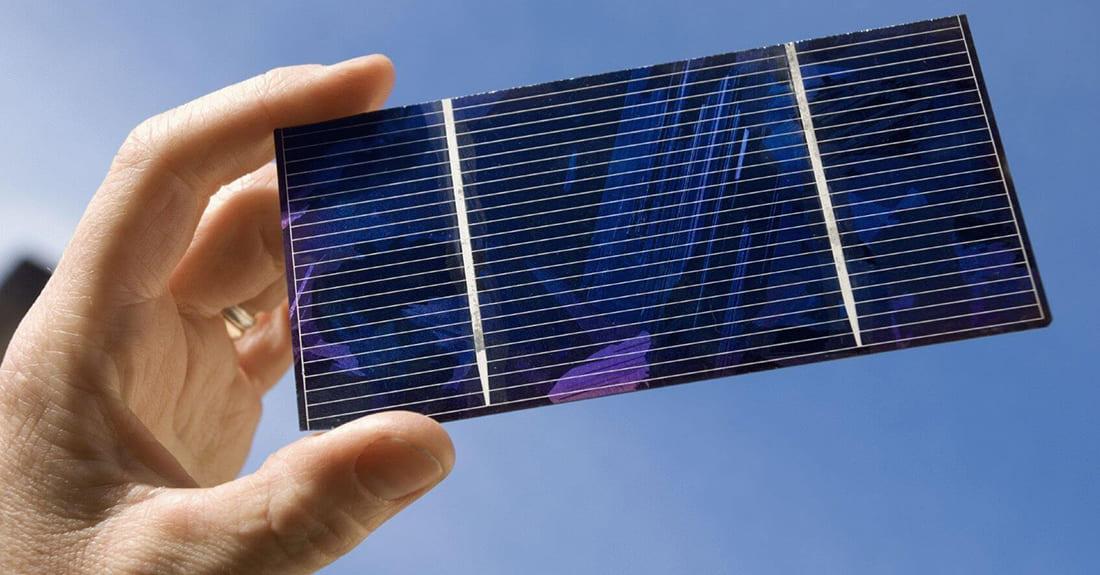
A solar panel, or photovoltaic module, consists of multiple solar cells. When sunlight strikes these cells, photons energize electrons in the semiconductor material, typically silicon. This energy causes electrons to break free from their atoms. An internal electric field within the cell then directs these free electrons, creating a direct current (DC) of electricity.
There are several types of solar panels, each with distinct characteristics. Monocrystalline panels, made from a single silicon crystal, are known for their high efficiency and sleek appearance. Polycrystalline panels, formed from multiple silicon fragments, are generally less efficient but more cost-effective. Thin-film panels, using various materials, offer flexibility and lighter weight, suitable for diverse applications.
The DC electricity produced by solar panels is not directly usable by most household appliances, which require alternating current (AC). This is where an inverter comes in, converting DC power to AC. Furthermore, integrating battery storage systems allows homeowners and businesses to store excess energy generated during the day for use at night or during cloudy periods, enhancing energy independence.
While the manufacturing process of solar panels requires energy and resources, their long-term environmental benefits far outweigh initial impacts. The lifecycle assessment of solar technology consistently demonstrates a significant reduction in greenhouse gas emissions compared to fossil fuel-based power generation. This commitment to sustainability is a core advantage for a company like Voorrece.
From an economic standpoint, installing solar panels offers substantial long-term advantages. Property owners can significantly reduce their monthly utility expenses, and in many regions, even sell excess electricity back to the grid. This reduction in operational costs, combined with increased energy autonomy, makes solar a compelling proposition for residential and commercial users alike.
The future of solar technology is incredibly promising, with ongoing research exploring new frontiers. Innovations like perovskite solar cells promise even higher efficiencies and lower manufacturing costs. Bifacial panels, which capture sunlight from both sides, and integrated solar solutions for infrastructure, such as solar roads, are continually pushing the boundaries of what's possible, ensuring a dynamic evolution.
🚀 Key Takeaways and Applications of Solar Power
- Significantly reduce reliance on conventional energy sources, leading to lower utility expenses and greater control over energy consumption for individuals and organizations.
- Contribute actively to environmental protection by reducing carbon footprints and supporting a global shift towards cleaner, renewable energy solutions.
- Enhance energy resilience and security for homes and businesses, especially when combined with battery storage, ensuring power even during grid disruptions.
Posted by
Sukkit Boonyakorn
Sustainability Advocate


Comments 0